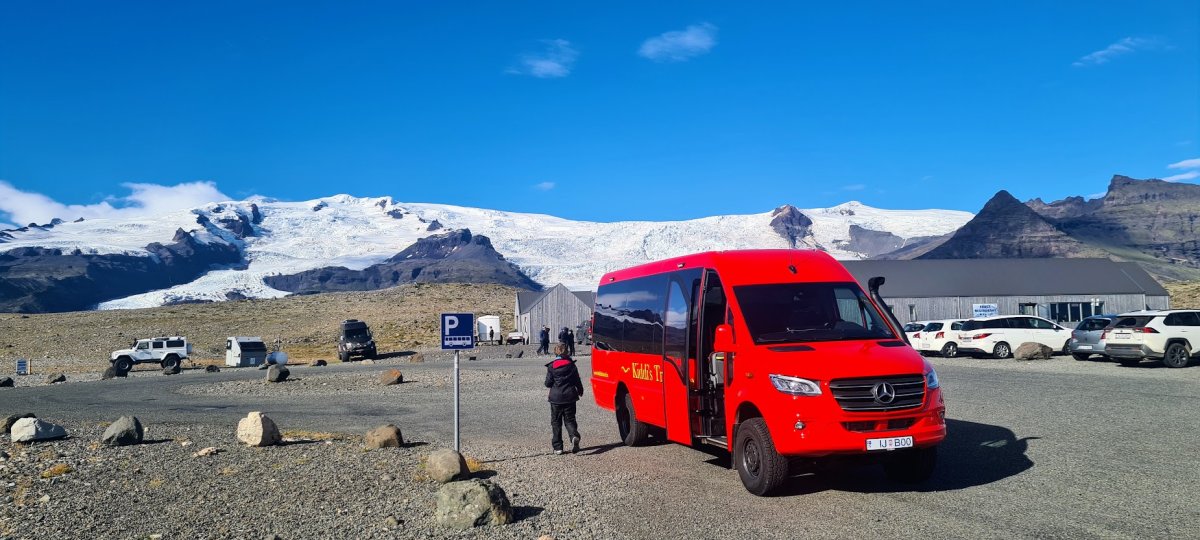
What if the most profound part of your journey isn't a destination found on a standard map, but a river crossing that requires 33-inch tires and the intuition of a lifelong resident? You likely understand that the highlands of Iceland represent the last true wilderness in Europe, a place where the silence is as heavy as the volcanic stone. Whether you're drawn by the rhyolite mountains of Landmannalaugar or the vast emptiness of the Sprengisandur, the desire for a deep, personal connection with this raw landscape often comes with a side of hesitation. It's natural to feel uncertain about complex F-road regulations or the hidden dangers of glacial currents that can shift in a matter of hours.
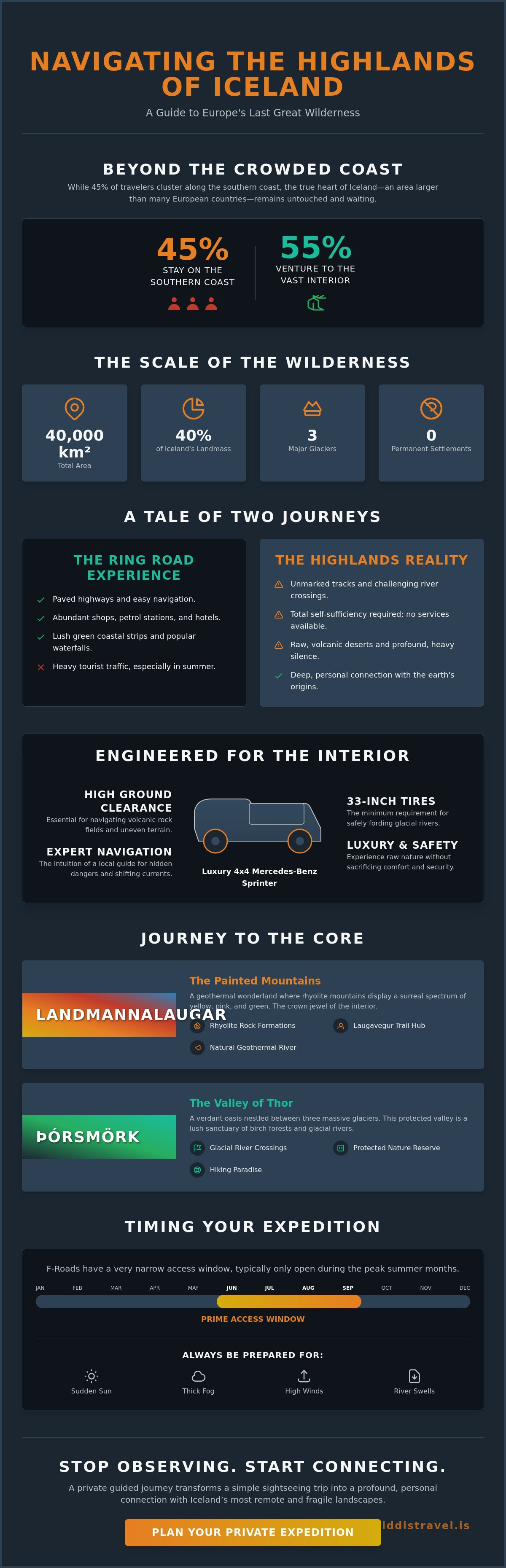
As someone who has spent a lifetime exploring these trails, I promise to give you the clarity needed to experience the interior without the stress of the unknown. This 2026 reference guide provides expert insights into navigating rugged terrain safely while avoiding the 45% of travelers who remain clustered at the southern coast. We'll look at essential safety protocols for remote routes, the technical capabilities of a luxury 4x4 Mercedes-Benz Sprinter, and the specific hidden gems that allow you to see the country through the eyes of a local. It's time to stop just observing the scenery and start truly connecting with it.
Key Takeaways
- Gain a deeper understanding of the highlands of iceland, a vast volcanic wilderness shaped by the Mid-Atlantic Ridge and massive glaciers.
- Navigate the complexities of F-roads and river crossings with expert insights into the specialized equipment and safety protocols required for the interior.
- Discover iconic destinations like Landmannalaugar and Þórsmörk, where raw geological wonder meets the quiet serenity of hidden glacial oases.
- Master the timing of your expedition by learning about the narrow summer access window and how to adapt to the region's rapidly shifting weather patterns.
- Learn how a private guided journey transforms a simple sightseeing trip into a profound personal connection with Iceland’s most remote and fragile landscapes.
Understanding the Highlands of Iceland: Europe’s Last Great Wilderness
To truly understand the soul of this island, you must look toward its center. The Highlands of Iceland, known locally as Hálendið, encompass roughly 40,000 square kilometres of the volcanic interior. This massive expanse represents nearly 40 percent of the country's total landmass, yet it remains a place where nature dictates every rule. Sitting directly atop the Mid-Atlantic Ridge, the region is a geological powerhouse where active volcanoes and shifting tectonic plates constantly reshape the earth. It's the uninhabited heart of the nation because the environment is far too volatile for permanent settlement. For centuries, these high-altitude plains were the domain of outlaws seeking refuge from the law and brave travelers following ancient routes like Kjölur. Today, it remains Europe’s last great wilderness, preserved by its own rugged isolation and the respect of those who traverse it.
The Geography of the Central Highlands
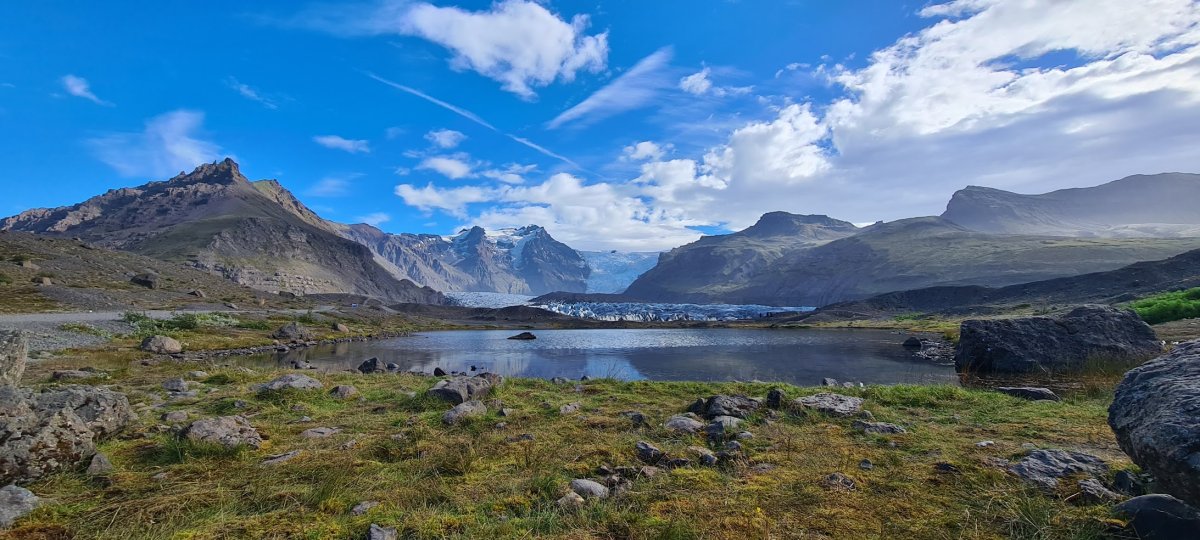
The landscape shifts dramatically depending on your coordinates. The South Highlands feature the vibrant, colorful rhyolite mountains of Landmannalaugar, while the North is defined by the vast, haunting lava fields of Ódáðahraun. Central regions are dominated by the three giants: Vatnajökull, Hofsjökull, and Langjökull. These massive glaciers have ground down the earth over millennia, carving the deep valleys and riverbeds we navigate today. The highlands of iceland are essentially a high-altitude desert formed by volcanic ash and glacial runoff. This unique combination creates a terrain that feels more like a distant planet than a corner of Northern Europe.
- Vatnajökull: Europe's largest glacier by volume, covering 7,900 square kilometres.
- Active Volcanism: Home to some of the most powerful systems, including Askja and Bárðarbunga.
- Ancient Routes: Historic trails like Sprengisandur that once took days of dangerous travel to cross.
Why the Highlands are Different from the Ring Road
Most visitors experience the lush green coastal strips and paved convenience of the Ring Road. Crossing into the interior is a different reality altogether. You won't find shops, petrol stations, or paved highways here. The infrastructure is replaced by raw, monochromatic beauty and the necessity of a capable 4x4 vehicle with high ground clearance. The emotional impact of the Highlands is often found in the silence. It's a profound, heavy quiet that you can't find near the coastal tourist hubs. When you stand on a black sand plateau with horizons stretching 100 kilometres in every direction, you don't just see the landscape; you feel a deep, personal connection to the earth's origins. It's a place where the pace of life slows down to match the rhythm of the wind and the water.
Iconic Destinations: From Painted Mountains to Glacial Valleys
The highlands of iceland represent a world where geology is still in its infancy, raw and unyielding. To travel here is to witness the earth’s creative forces firsthand. Whether you're standing on a volcanic ridge or soaking in a warm stream, the silence of the interior provides a connection to nature that's impossible to find on the crowded coastal routes.
Landmannalaugar and the Painted Highlands
Landmannalaugar is often called the crown jewel of the interior, and for good reason. The mountains here are composed of rhyolite, a volcanic rock rich in silica that cooled slowly over centuries. This process created a surreal spectrum of yellow, pink, and green hues that glow even under cloudy skies. Most visitors arrive to hike the Laugavegur trail, but the true local experience involves soaking in the natural geothermal river. This warm current flows directly through a 15th-century lava field, offering a primitive yet deeply relaxing contrast to the rugged terrain. For those seeking elevated comfort, luxury travel Iceland options provide private access to these peaks, ensuring you beat the seasonal crowds while enjoying the expertise of a local host.
Þórsmörk: The Valley of the Thunder God
Named after the Norse god Thor, Þórsmörk is a verdant oasis tucked between the Eyjafjallajökull, Mýrdalsjökull, and Tindfjallajökull glaciers. It's a place of dramatic contrasts where lush birch forests thrive in the shadow of ice caps. Reaching this valley is a challenge for most, as the Krossá river is notoriously fickle and deep. Standard 4x4 rentals simply aren't equipped for these crossings. We rely on modified vehicles with 33-inch tires to navigate the shifting riverbeds safely. Once inside, the microclimate offers a sheltered retreat from the highland winds. A hike up Valahnúkur, which stands at 458 meters, provides a 360-degree panorama of glacial outwash plains and jagged ridges that define the southern highlands of iceland.
Remote Volcanic Wonders: Askja and Kerlingarfjöll
The journey to the North Highlands leads you across Ódáðahraun, the "Desert of Misdeeds," a vast lunar landscape that NASA once used to train Apollo astronauts. At its heart lies Askja, a massive caldera formed during a cataclysmic eruption in 1875. Standing on the edge of the Askja caldera feels like standing at the end of the world, where the silence is only broken by the wind whistling over the milky blue waters of the Víti crater lake.
Further west, the Kerlingarfjöll range offers a different kind of intensity. Within the Vatnajökull National Park and its surrounding regions, the Hveradalir valley stands out as one of the country's most active geothermal zones. Here, bright orange clay hills are punctuated by hissing steam vents and bubbling mud pools. It's a sensory experience that combines the smell of sulfur with the sight of snow-capped peaks. If you're interested in exploring these remote landscapes with a personal touch, we can design a route that matches your pace and curiosity.
The Reality of F-Roads: Why Navigation and Equipment Matter
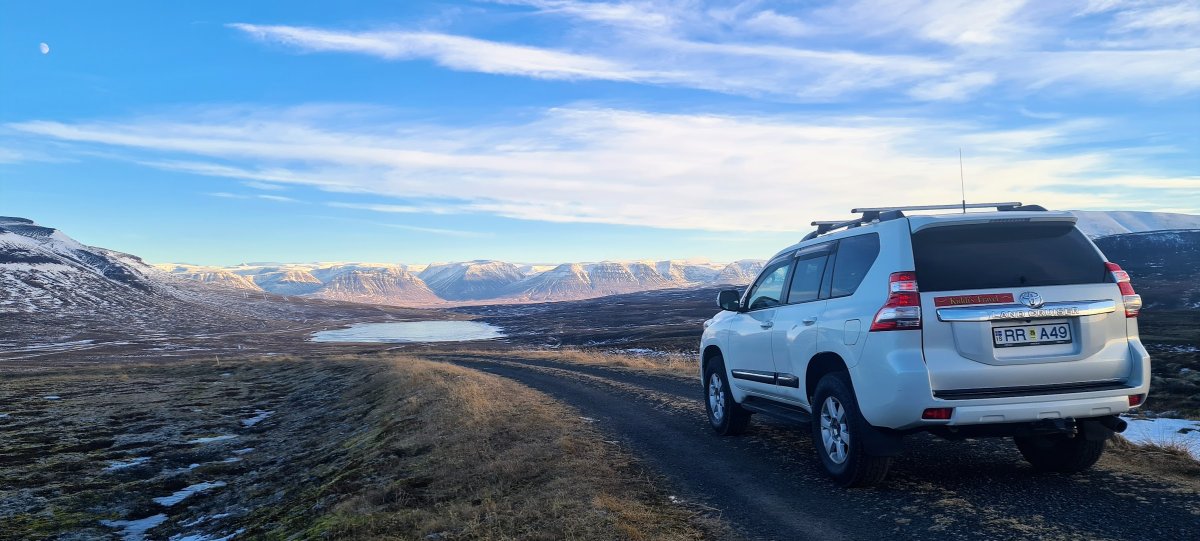
Iceland's interior is accessible via a network of "F-roads," a name derived from the Icelandic word Fjallvegir, meaning mountain roads. These aren't your typical gravel paths; they're rugged, unpaved tracks that demand high-clearance 4x4 vehicles. Attempting to traverse the highlands of iceland in a standard rental car isn't just risky; it's often illegal. The most daunting challenge is the river crossing. Glacial rivers are dynamic, changing their depth and current hourly based on temperature and rainfall. It's a hard truth that standard rental insurance in Iceland never covers water damage. A single error in judgment at a riverbank can result in a total vehicle loss, often costing travelers upwards of $30,000 in out-of-pocket damages.
Technical requirements go far beyond simple All-Wheel Drive. While a standard AWD SUV might handle a well-maintained gravel road, it lacks the suspension and clearance for the deep ruts and boulders found in the interior. Local expertise is the only way to read these landscapes in real-time. Knowing whether a river is safe to cross requires observing the "v-shape" of the water and understanding the previous night's glacial melt. It's this deep, personal connection to the land that keeps a journey both luxurious and safe.
The Logistics of Highlands Travel
Access to these routes is strictly seasonal. Most F-roads only open between June 15 and early July, depending on the speed of the snowmelt, and they typically close by mid-September. Relying on GPS in the interior is a common mistake. Digital maps often suggest "shortcuts" that are impassable or don't account for current washouts. We rely on traditional navigation and local radio updates to stay informed. At Kiddi’s Travel, our modified vehicles feature 33-inch tires. This specific equipment provides the necessary lift to clear jagged lava rocks and the stability needed to wade through deep water without stalling.
Safety and Environmental Stewardship
Protecting the highlands of iceland is a responsibility we take seriously. Off-road driving is strictly prohibited and carries heavy fines, often exceeding 350,000 ISK. The volcanic soil and ancient moss are incredibly fragile; a single tire track can remain visible for 70 years. Safety is also a matter of distance. In the remote interior, emergency services are often 3 to 5 hours away. For travelers who want to experience this raw beauty without the logistical stress, our Iceland excursions 2026 guide outlines the professional safety standards we maintain. We don't just drive these roads; we respect the rhythm of the weather and the delicacy of the environment to ensure a seamless, authentic experience.
Planning Your Expedition: Seasons, Weather, and Access
The highlands of Iceland are a seasonal sanctuary, accessible only when the interior snow finally retreats to allow passage. Most F-roads remain closed until late June or early July, with opening dates determined by the Icelandic Road and Coastal Administration based on soil moisture and snow levels. In 2024, some central routes didn't open until after July 5, highlighting the need for patience and expert timing. This window is brief, usually closing by mid-September when the first heavy frosts return to the plateau.
Weather in this region operates by its own rules. You might begin a morning in 12°C sunshine and find yourself in a localized blizzard by noon. This volatility isn't a deterrent but a part of the raw beauty you'll encounter. Success requires a flexible itinerary that allows your guide to pivot based on real-time satellite data and local intuition. Whether the clouds hang low over the craters or the sun illuminates the rhyolite mountains, a professional guide ensures the plan adapts to the environment, keeping you safe and comfortable.
When to Visit the Highlands
Early summer, specifically late June through July, offers the most vibrant wildflower blooms and the surreal experience of the midnight sun. The days are endless, providing ample time to explore without the pressure of failing light. By August and September, the landscape shifts toward deep ochre and rust tones. These months bring shorter days, but they also offer the first 15% chance of seeing the Northern Lights against a dark sky. You should always verify road conditions on road.is before attempting any travel into the interior.
Packing for a Highland Adventure
Proper preparation ensures you focus on the scenery rather than the temperature. A three-layer system is essential: a moisture-wicking base, an insulating mid-layer, and a professional-grade Gore-Tex outer shell to repel the relentless wind. Sturdy, waterproof hiking boots with ankle support are non-negotiable for navigating volcanic glass and damp moss. High-end photography equipment should be protected in weather-sealed bags to guard against the fine volcanic dust that characterizes the 2026 adventure season.
Proper preparation ensures you focus on the scenery rather than the temperature. A three-layer system is essential: a moisture-wicking base, an insulating mid-layer, and a professional-grade Gore-Tex outer shell to repel the relentless wind. Sturdy, waterproof hiking boots with ankle support are non-negotiable for navigating volcanic glass and damp moss. High-end photography equipment should be protected in weather-sealed bags to guard against the fine volcanic dust that characterizes the 2026 adventure season. If you are passionate about capturing untamed nature, consulting the expedition packing tips from dedicated tour specialists like Tusk Photo can help ensure your cameras and telephoto lenses survive the harshest elements.
While your gear keeps you dry on the ground, the quality of your transport defines the journey. Traveling in a modified 4x4 Mercedes-Benz Sprinter equipped with 33-inch tires ensures that the transition from rugged tracks to smooth asphalt feels seamless. This level of vehicle comfort allows you to arrive at remote sites feeling refreshed rather than fatigued. When you travel with a private guide, all specialized safety equipment and local snacks are provided, letting you immerse yourself fully in the moment. We don't just show you the landscape; we help you connect with it.
Experience the interior with a host who treats you like family. Book your private highland expedition to see the wilderness through the eyes of a local.
Connecting with the Land: The Value of a Private Guided Journey
Traveling through the highlands of Iceland shouldn't feel like a checklist of coordinates. It's a profound shift in perspective. Most visitors observe the landscape through a window, but a private journey allows you to step into the frame. There's a fundamental difference between looking at a volcanic crater and understanding the subterranean forces that shaped it. When you aren't tethered to a rigid bus schedule, the luxury of pace becomes your greatest asset. If the mist clears over a hidden valley or the light hits a rhyolite ridge with perfect clarity, we stop. We linger. These quiet moments of connection are where the real magic of the interior reveals itself.
A private host provides what we call the "Eyes of a Local." To an outsider, a field of jagged basalt might look like a pile of rocks; to a local, it's a living history filled with folklore and geological drama. We share the stories that have been passed down through generations, turning every river crossing and mountain pass into a narrative. This personal approach ensures your day matches your specific interests. Whether you're a professional photographer waiting for the blue hour or a geology enthusiast tracing tectonic plates, the itinerary bends to your will, not the other way around.
The Kiddi’s Travel Philosophy
Our approach is built on a lifelong connection to this land. We believe that true adventure shouldn't require sacrificing comfort. This philosophy is embodied in our custom 4x4 Mercedes-Benz Sprinter. Equipped with 33-inch tires and specialized suspension, it offers the rugged capability of a Super Jeep with the refined interior of a luxury lounge. We've closed the gap between raw exploration and sophisticated travel. You can navigate the most demanding tracks in the highlands of Iceland while enjoying a smooth, climate-controlled environment that keeps the elements at bay until you're ready to step out and face them.
Designing Your Private Highland Adventure
Many guests begin their journey by exploring the Golden Circle to get a feel for the island's famous landmarks. However, the transition into the deep Highlands is where the experience becomes truly exclusive. The logistics of the interior are complex, involving unpredictable weather and unbridged rivers. As your personal host, I manage every detail of the trek. This includes:
- Expert navigation of F-roads and river crossings using 33-inch tires for maximum safety.
- Curated gourmet picnics served in remote locations far from the crowds.
- Real-time adjustments based on 2026 weather patterns and trail conditions.
- Direct access to "hidden gems" that aren't marked on standard tourist maps.
You don't have to worry about the depth of a river or the timing of a fuel stop. Your only job is to remain present and soak in the vastness. If you're ready to move beyond the ordinary and see the heart of the country through the eyes of someone who calls it home, let's start planning. Contact Kiddi’s Travel to build your custom Highland itinerary and experience the interior as it was meant to be seen.
Begin Your 2026 Highland Expedition
Kiddi brings a lifelong connection to this terrain, ensuring your journey is defined by safety and insight rather than logistical stress. Our custom 4x4 Mercedes-Benz Sprinters are engineered for these specific conditions, allowing us to reach hidden gems that standard rental vehicles can't access. We focus on creating a tailor-made itinerary that prioritizes your comfort while fostering a genuine connection with the land. You won't just see the horizon; you'll understand the stories written in the volcanic stone through the eyes of a local.
Book your private guided Highland adventure with Kiddi’s Travel to begin your journey. We look forward to sharing these hidden spaces with you.
Frequently Asked Questions
When are the Highlands of Iceland open for visitors?
The highlands of Iceland typically open to vehicle traffic between June 15 and July 1, depending on the speed of the annual snowmelt. Most mountain tracks, known locally as F-roads, remain accessible until the middle of September when the first autumn storms often arrive. You should always consult the daily status reports from the Icelandic Road and Coastal Administration, as they provide real-time updates for every mountain pass to ensure your safety.
Can I drive to Landmannalaugar in a standard rental car?
You cannot drive a standard rental car to Landmannalaugar because all access routes involve F-roads that require a 4x4 vehicle by law. Attempting these gravel paths in a 2WD car will void your insurance and likely lead to a fine from the local police. For a truly comfortable journey, we utilize modified 4x4 Mercedes-Benz Sprinters equipped with 33-inch tires, which provide the necessary clearance and stability for these rugged terrains.
Is it safe to cross rivers in the Highlands?
River crossings are never entirely safe for inexperienced drivers, as water levels can fluctuate by 20 centimeters or more in a single afternoon. Glacial rivers like the Krossá in Þórsmörk are notorious for shifting beds and hidden deep spots that can easily stall a standard SUV engine. We rely on local knowledge and specialized equipment to navigate these waters safely, ensuring you experience the raw beauty of the interior without the stress of mechanical failure.
What is the best way to see the Highlands if I have limited time?
A private day tour from Reykjavík is the most efficient way to experience the highlands of Iceland if your schedule is tight. By choosing a personalized itinerary, you avoid the 45-minute wait times associated with large bus groups and move at your own pace through iconic sites like Sigöldugljúfur. This focused approach allows you to connect with the landscape deeply, even if you only have 10 hours to spare for your mountain adventure.
Are there any places to stay or eat in the Icelandic Highlands?
Accommodation in the interior consists primarily of mountain huts managed by Ferðafélag Íslands, which offer 60 to 80 beds in shared dormitory settings. While these huts provide basic shelter, you won't find traditional restaurants or grocery stores in the wilderness. We recommend packing all necessary provisions or booking a tour that includes catered meals, as the nearest full-service supermarket is often over 100 kilometers away from the central highland plateaus.
What should I do if I get stuck on an F-road?
If your vehicle becomes stuck or breaks down, you should immediately call 112, the Icelandic emergency number, or contact a specialized recovery service. It's vital to stay with your vehicle, as wandering into the mist can lead to disorientation in a landscape where landmarks are scarce. Most rental insurance policies don't cover water damage or undercarriage repairs, so having a professional guide with recovery gear and satellite communication is a significant safety advantage.
How do I prepare for the weather in the Highlands?
You must prepare for temperatures that can drop to 0 degrees Celsius even in July, along with wind speeds that frequently exceed 15 meters per second. The key is a three-layer system: a thermal base, an insulating fleece, and a high-quality waterproof shell. Because the weather changes every 15 minutes, we provide a warm and stable environment inside our luxury vehicles, allowing you to enjoy the view in comfort regardless of the conditions outside.
Why should I choose a private guide over a group bus tour for the Highlands?
Choosing a private guide like Kiddi allows you to see the landscape through the eyes of a local rather than following a rigid schedule. While 50-passenger buses are restricted to paved roads or major tracks, our 4x4 vehicles access hidden gems that remain untouched by mass tourism. This intimate setting fosters a genuine connection with the land, ensuring your journey is defined by quiet moments and authentic discovery rather than the noise of a large crowd.